
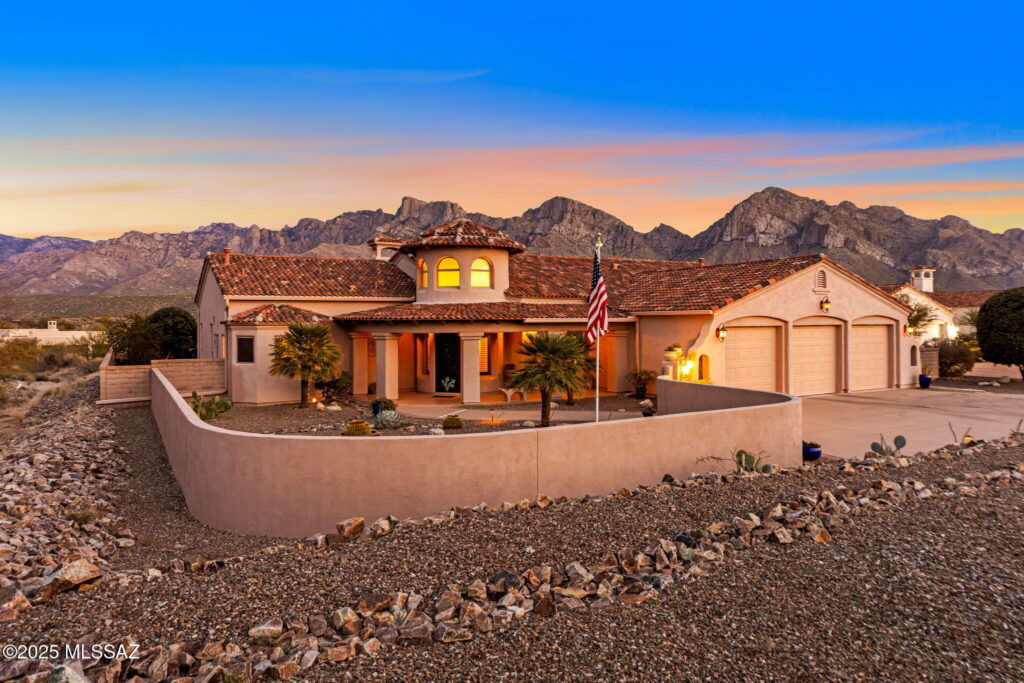
When a property sits empty for weeks or months, the risk profile changes dramatically.
Standard homeowners insurance policies are built for occupied homes, not vacant ones. That’s where vacant home insurance becomes important.
Whether a home is empty due to relocation, inheritance, renovation, or a pending sale, this specialized coverage helps fill the gap.
What Is Vacant Home Insurance?
Vacant home insurance is a type of policy or endorsement designed specifically for unoccupied properties.
It typically provides protection for risks that become more likely when no one lives in the home.
These policies may include coverage for:
- Water damage from plumbing failures
- Fire and weather-related damage
- Theft and vandalism
- Liability claims for injuries on the property
While coverage details vary, the goal is the same: protecting homes that are temporarily empty.
Why Standard Policies May Not Be Enough
Many homeowners assume their existing policy covers everything.
However, vacancy clauses often limit coverage after a certain number of days.
According to the Insurance Information Institute, insurers consider vacant properties higher risk due to theft, vandalism, and undetected maintenance issues (https://www.iii.org).
That’s why specialized coverage exists.
Risks That Increase When Homes Are Empty
Vacant homes face several unique threats.
Small problems escalate quickly when no one is there to notice them.
Some of the most common issues include:
Water leaks that go unnoticed for days.
Storm damage that allows water intrusion.
Unauthorized entry or vandalism.
Pest infestations.
Routine inspections dramatically reduce these risks.
Insurance Companies Often Require Maintenance
Even with vacant home insurance, insurers typically require homeowners to demonstrate responsible care.
Examples include:
Maintaining utilities or climate control.
Securing entry points.
Checking the home periodically.
If a property sits completely unattended, insurers may still deny claims.
Monitoring Systems Help Reduce Risk
Modern technology has made monitoring easier.
Leak detectors, smart thermostats, and cameras provide alerts when something unusual occurs.
The Department of Energy recommends smart thermostats and monitoring systems as tools to manage home systems efficiently (https://www.energy.gov/energysaver).
However, technology works best when combined with physical inspections.
Regular Property Visits Make a Difference
One of the most effective ways to protect a vacant property is simple: someone checks on it regularly.
Professional inspections verify that systems are working and no damage has occurred.
If you want to see how these visits are structured, the service overview explains the process:
https://mvhomewatch.com/services/
Final Thoughts
Vacant homes require a different approach to insurance and property care.
Vacant home insurance provides protection, but monitoring and maintenance are equally important.
If you have questions about protecting a property while it sits empty, you can learn more about the team behind these inspections here:
https://mvhomewatch.com/about/
Sometimes the best protection comes from combining the right coverage with regular oversight.